Mango Coconut Layer Cake
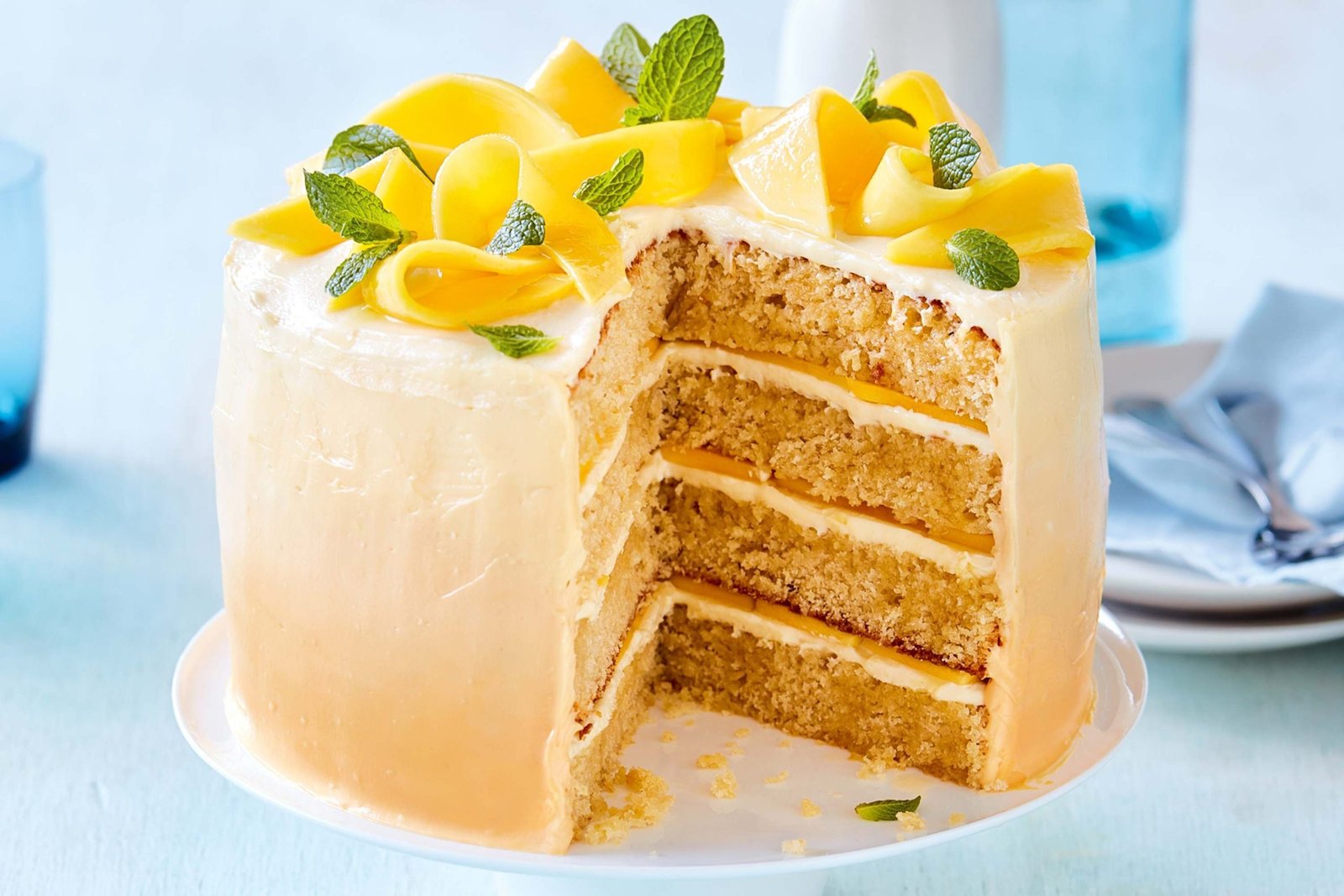
Ripe mangoes have a way of bringing sunshine into the kitchen with their vibrant color, fragrant aroma, and naturally sweet flavor. Combined with the rich, creamy taste of coconut, they create a dessert that feels both refreshing and indulgent. Every slice captures the essence of a tropical getaway, making this cake a wonderful centerpiece for celebrations or simply for sharing with family on a warm afternoon.
Mango Coconut Layer Cake has become one of the recipes I enjoy making whenever I want a dessert that feels elegant without being overly complicated. Soft coconut-infused cake layers, fresh mango filling, and silky coconut frosting come together in perfect harmony. The combination is light enough for summer gatherings yet rich enough to satisfy anyone who enjoys homemade layer cakes.
Why This Cake Deserves a Spot on Your Table
Fresh mangoes provide a sweetness that feels naturally rich without becoming overpowering. Their smooth texture blends beautifully into the filling while still offering juicy pieces of fruit throughout the cake. Every bite balances the creamy frosting with bursts of fresh mango flavor.
Coconut brings another layer of richness that complements the fruit perfectly. Coconut milk keeps the cake moist, while shredded coconut adds gentle texture and a subtle nutty flavor. Together, the mango and coconut create a pairing that feels vibrant, fresh, and wonderfully balanced.
Mango Coconut Layer Cake is also surprisingly versatile. I have served it for birthdays, summer parties, bridal showers, and weekend family dinners, and it always receives enthusiastic compliments. Its bright colors and tropical flavors make it memorable long after the last slice has disappeared.
Ingredients
For the Coconut Cake
- 2½ cups (315 g) all-purpose flour
- 2 teaspoons baking powder
- ½ teaspoon baking soda
- ½ teaspoon salt
- ¾ cup (170 g) unsalted butter, softened
- 1¾ cups (350 g) granulated sugar
- 4 large eggs, room temperature
- 2 teaspoons vanilla extract
- 1 teaspoon coconut extract
- 1 cup (240 ml) full-fat coconut milk, room temperature
- ½ cup (45 g) sweetened shredded coconut
For the Mango Filling
- 2 large ripe mangoes, peeled and diced
- 2 tablespoons granulated sugar
- 1 tablespoon fresh lime juice
- 1 teaspoon cornstarch
- 1 tablespoon water
For the Coconut Buttercream
- 1½ cups (340 g) unsalted butter, softened
- 5 cups powdered sugar
- 3 tablespoons coconut milk
- 1 teaspoon coconut extract
- 1 teaspoon vanilla extract
- Pinch of salt
Optional Garnish
- Fresh mango slices
- Toasted shredded coconut
- Lime zest
- Fresh mint leaves
Preparing the Mango Filling
Fresh, ripe mangoes are the heart of this recipe. I choose fruit that gives slightly when gently pressed because it offers the sweetest flavor and the smoothest texture. Dice the mangoes into small pieces, keeping the size consistent so they distribute evenly throughout the filling.
Place the diced mangoes in a saucepan with the sugar and lime juice over medium heat. As the fruit softens, stir occasionally until it begins releasing its natural juices. Mix the cornstarch with the water, then stir it into the mango mixture and cook for another two to three minutes until slightly thickened.
Transfer the filling to a bowl and allow it to cool completely before assembling the cake. A chilled filling is easier to spread and helps keep the cake layers stable during decorating.
Baking the Coconut Cake
Preheat the oven to 350°F (175°C). Grease and line two 8-inch round cake pans with parchment paper to ensure the cakes release easily after baking.
Whisk together the flour, baking powder, baking soda, and salt in a medium bowl. In a separate large bowl, beat the softened butter and sugar until light and fluffy, about four to five minutes. Add the eggs one at a time, beating well after each addition before mixing in the vanilla extract and coconut extract.
Alternate adding the dry ingredients and coconut milk, beginning and ending with the flour mixture. Fold the shredded coconut gently into the batter until evenly distributed. Divide the batter between the prepared pans and bake for 30 to 35 minutes, or until a toothpick inserted into the center comes out clean. Cool the cakes for 10 minutes before transferring them to wire racks to cool completely.
Making the Coconut Buttercream
Beat the softened butter until smooth and creamy before gradually adding the powdered sugar. Mixing slowly at first prevents the sugar from spilling while creating a silky base for the frosting.
Add the coconut milk, coconut extract, vanilla extract, and a pinch of salt. Continue beating until the buttercream becomes light, fluffy, and easy to spread. If the frosting feels too thick, add a small splash of coconut milk. If it becomes too soft, refrigerate it for about 15 minutes before decorating.
The finished buttercream should have a delicate coconut flavor that enhances the cake without overpowering the fresh mango filling.
Assembling Mango Coconut Layer Cake
Place one cake layer on a serving plate or cake stand. Spread a thin layer of coconut buttercream over the surface, then pipe a border around the edge to create a barrier for the filling. Spoon the cooled mango filling into the center and spread it evenly.
Carefully place the second cake layer on top. Apply a thin crumb coat of buttercream over the entire cake and refrigerate it for about 20 minutes. Once chilled, spread the remaining buttercream smoothly over the top and sides.
Decorate the finished cake with toasted shredded coconut, fresh mango slices, lime zest, and a few mint leaves. These simple garnishes highlight the tropical flavors while creating an elegant presentation suitable for any celebration.
Helpful Tips for Perfect Results
Room-temperature ingredients blend together more smoothly, creating a lighter batter and a finer crumb. Butter creams more effectively, eggs mix evenly, and coconut milk incorporates without causing the batter to separate. These small details contribute to a beautifully textured cake.
Use ripe but firm mangoes for the filling. Overripe fruit may become too soft during cooking, while underripe mangoes lack the sweetness and aroma that make this cake special. Taste the fruit before preparing the filling so you can adjust the sugar if necessary.
Avoid overmixing the batter after adding the flour. Gentle mixing helps preserve a tender crumb while preventing the cake from becoming dense. Folding the shredded coconut in by hand also helps maintain an even texture.
Flavor Variations
Passion fruit pairs beautifully with both mango and coconut. A few spoonfuls of passion fruit pulp stirred into the filling introduce a bright, tangy flavor that enhances the tropical character of the cake.
For a richer dessert, replace part of the coconut buttercream with a thin layer of whipped coconut cream between the cake layers. The lighter filling creates a refreshing contrast while maintaining the coconut flavor throughout.
Macadamia nuts also complement the tropical ingredients wonderfully. Sprinkle chopped toasted macadamias over the finished cake or fold a handful into the filling for extra crunch and a buttery finish.
Serving Suggestions
Mango Coconut Layer Cake tastes wonderful served slightly chilled. The buttercream remains creamy while the mango filling stays cool and refreshing, making every slice feel especially satisfying on warm days. It pairs beautifully with iced tea, tropical fruit juice, or freshly brewed coffee.
Fresh mango slices arranged beside each serving add vibrant color while reinforcing the natural fruit flavor. A sprinkle of toasted coconut over each plate creates a beautiful presentation and adds another layer of texture to every bite.
This cake also makes an excellent dessert for outdoor celebrations. Its bright tropical flavors provide a refreshing finish after grilled meals, seafood dishes, or light summer lunches.
Storage Instructions
Store the finished cake covered in the refrigerator for up to four days. The fresh mango filling stays flavorful while the buttercream maintains its creamy consistency. Allow the cake to sit at room temperature for about 20 minutes before serving for the best texture.
Individual slices can be stored in airtight containers, making them convenient for enjoying throughout the week. The cake remains moist thanks to the coconut milk, while the filling continues to develop even richer flavor after a day of refrigeration.
The unfrosted cake layers freeze very well. Wrap each cooled layer tightly in plastic wrap followed by aluminum foil and freeze for up to two months. Prepare the mango filling and buttercream fresh before assembling for the best results.
Final Thoughts
Fresh tropical ingredients have a way of transforming simple desserts into memorable experiences, and this recipe showcases that beautifully. Soft coconut cake, sweet mango filling, and creamy coconut buttercream come together in perfect balance, creating a dessert that feels both elegant and comforting. Every slice offers bright fruit flavor, tender cake, and rich frosting without becoming overly sweet.
Mango Coconut Layer Cake is a recipe that deserves a place in every baker’s collection. Whether prepared for birthdays, summer celebrations, holiday gatherings, or simply because ripe mangoes are in season, it delivers freshness, color, and homemade flavor that always leaves a lasting impression. Once you enjoy the combination of juicy mangoes and creamy coconut in every bite, it is easy to understand why this tropical cake quickly becomes a favorite.