Coconut Layer Cake with Buttercream
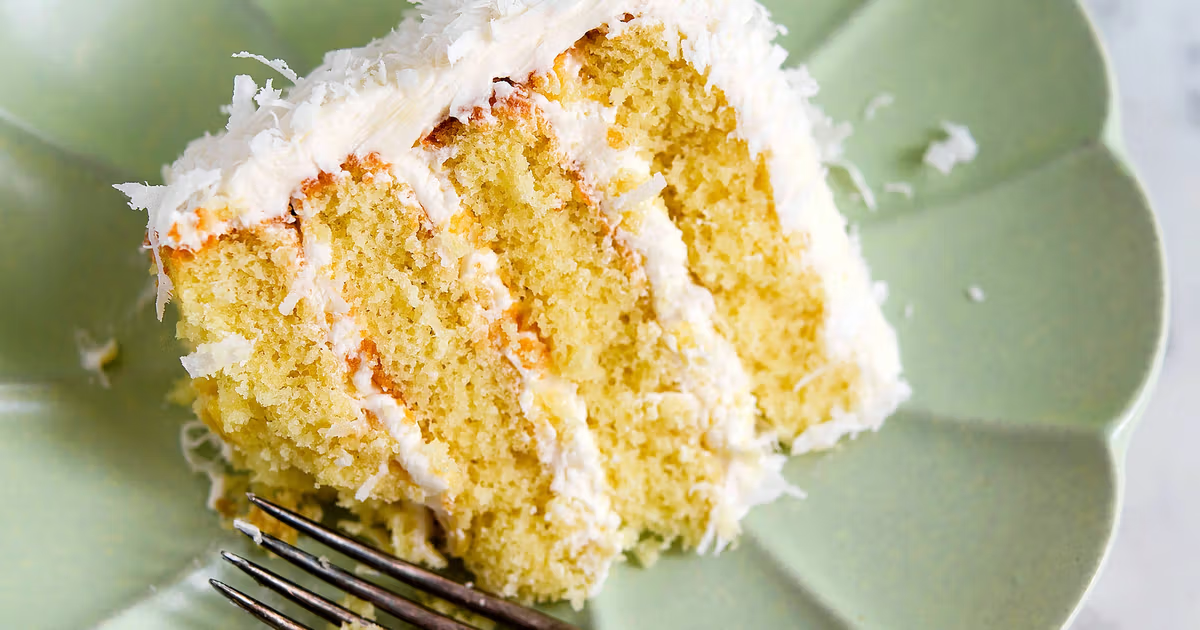
The fragrance of toasted coconut drifting through the kitchen always tells me that something memorable is about to come out of the oven. It carries a gentle sweetness that feels comforting without being overwhelming, filling the house with the kind of aroma that makes everyone wander into the kitchen to ask when dessert will be ready. Few cakes create that reaction quite as effortlessly as a homemade coconut layer cake.
Coconut Layer Cake with Buttercream has become one of my favorite celebration desserts because it combines soft, fluffy cake with rich buttercream and delicate coconut in every bite. The cake is light enough to enjoy after a hearty meal while still feeling indulgent enough for birthdays, holidays, weddings, or family gatherings. It is one of those recipes that looks elegant on the table yet relies on simple ingredients and dependable techniques.
Why This Cake Has Lasting Appeal
Coconut has a unique ability to add flavor without overpowering the rest of the dessert. Instead of dominating every bite, it blends naturally with butter, vanilla, and cream to create a cake that feels balanced and refined. That gentle sweetness is one reason I keep returning to this recipe throughout the year.
The texture is equally satisfying. Soft cake layers stay moist thanks to butter and milk, while shredded coconut introduces a pleasant chewiness that contrasts beautifully with the smooth buttercream. Every forkful delivers a little bit of everything, making each bite interesting from beginning to end.
Another reason this recipe has earned a permanent place in my collection is its versatility. It looks beautiful with simple decorations, yet it can easily be dressed up for larger celebrations with toasted coconut, fresh flowers, or elegant piping. No matter how I decorate it, the cake always feels timeless.
Ingredients
For the Cake
- 2½ cups (315g) all-purpose flour
- 2½ teaspoons baking powder
- ½ teaspoon salt
- 1 cup (227g) unsalted butter, softened
- 1¾ cups (350g) granulated sugar
- 4 large eggs, room temperature
- 2 teaspoons vanilla extract
- 1 teaspoon coconut extract
- 1 cup (240ml) whole milk, room temperature
- 1 cup (85g) sweetened shredded coconut
For the Buttercream
- 1½ cups (340g) unsalted butter, softened
- 5 cups (600g) powdered sugar, sifted
- 2 teaspoons vanilla extract
- 1 teaspoon coconut extract
- 3 to 4 tablespoons heavy cream
- Pinch of salt
For Decoration
- 2 cups (170g) sweetened shredded coconut
- Toasted coconut flakes (optional)
- White chocolate curls (optional)
Kitchen Equipment
Before I begin baking, I gather everything I need to keep the process simple and organized. Two 8-inch round cake pans, parchment paper, mixing bowls, measuring cups, measuring spoons, a stand mixer or hand mixer, cooling racks, and an offset spatula make the entire recipe much easier to prepare.
Accurate measurements are especially important in layer cakes. I always level flour carefully rather than scooping directly from the container because excess flour can make the cake denser than intended. A few extra moments spent measuring correctly help produce a much softer crumb.
Room-temperature ingredients are another small detail that makes a noticeable difference. Butter, eggs, and milk blend together smoothly, creating a batter that bakes evenly and develops a light, tender texture.
Step-By-Step Instructions
Preheat the oven to 350°F (175°C). Grease two 8-inch cake pans, line the bottoms with parchment paper, and lightly grease the parchment to ensure the cakes release easily after baking.
In a medium bowl, whisk together the flour, baking powder, and salt until evenly combined. Mixing the dry ingredients separately helps distribute the baking powder evenly throughout the batter, producing consistent layers.
In a large mixing bowl, beat the softened butter and sugar together for about four to five minutes until the mixture becomes pale and fluffy. Proper creaming introduces air into the batter, helping create a cake that is soft without becoming heavy.
Add the eggs one at a time, beating well after each addition. Stir in the vanilla extract and coconut extract until fully incorporated. The batter should smell fragrant and creamy before the dry ingredients are added.
Gradually add the flour mixture, alternating with the milk. Begin and end with the dry ingredients, mixing only until everything comes together. Fold in the shredded coconut gently with a spatula, making sure it is evenly distributed without overmixing the batter.
Divide the batter evenly between the prepared pans and smooth the tops. Bake for 28 to 32 minutes, or until a toothpick inserted into the center comes out clean or with only a few moist crumbs attached.
Allow the cakes to cool in their pans for about 10 minutes before transferring them to wire racks. Let the layers cool completely before frosting to keep the buttercream firm and easy to spread.
Making the Buttercream
Beat the softened butter until it becomes smooth, creamy, and noticeably lighter in color. This creates the ideal base for a fluffy buttercream that spreads easily across the cake.
Gradually add the powdered sugar while mixing on low speed. Add the vanilla extract, coconut extract, salt, and heavy cream, then continue beating for several minutes until the frosting becomes silky and light. If needed, adjust the consistency with an additional spoonful of cream or powdered sugar.
The finished buttercream should hold its shape while remaining soft enough to spread smoothly. I always scrape down the sides of the bowl before giving it one final mix to ensure every ingredient is fully incorporated.
Assembling the Cake
Place one cooled cake layer onto a serving plate or cake stand. Spread an even layer of buttercream across the top, reaching almost to the edges so every slice includes plenty of filling.
Carefully position the second layer on top and apply a thin crumb coat over the entire cake. Refrigerate the cake for about 20 minutes to trap loose crumbs and create a smooth surface for the final layer of frosting.
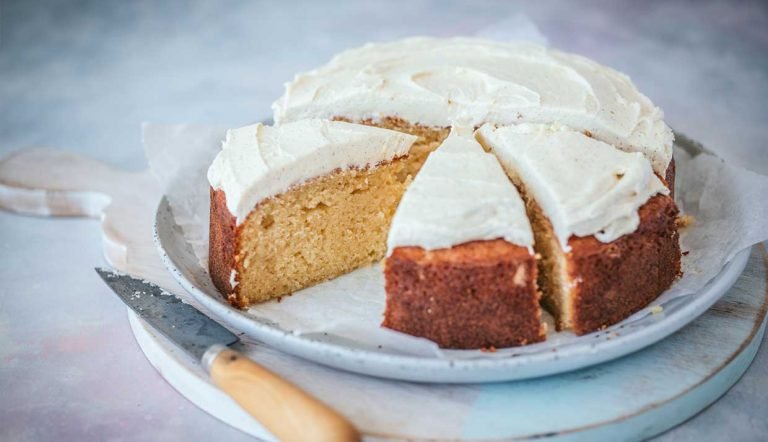
Cover the cake with the remaining buttercream, smoothing the top and sides with an offset spatula. Gently press shredded coconut onto the sides and top of the cake until evenly coated. Finish with toasted coconut flakes or white chocolate curls if desired for an elegant presentation.
Helpful Baking Tips
Fresh shredded coconut provides the best texture and flavor. If the coconut has been stored for a while, give it a quick stir before using to break apart any clumps that may have formed.
Avoid overmixing once the flour has been added. Mixing only until the ingredients are combined helps preserve the tender crumb that makes this cake so enjoyable. Overworking the batter can develop gluten, making the finished cake firmer than intended.
If you would like a slightly richer coconut flavor, lightly toast some of the coconut used for decorating. Toasting deepens its natural sweetness and adds another layer of flavor while creating a beautiful golden finish.
Decorating Ideas
Coconut Layer Cake with Buttercream looks beautiful with a generous coating of shredded coconut covering the sides and top. The snowy appearance gives the cake an elegant finish while hinting at the flavors inside.
Toasted coconut flakes scattered across the top create wonderful contrast in both flavor and appearance. Their golden color stands out against the white buttercream and adds a subtle crunch that complements the soft cake.
For special occasions, I sometimes decorate the top with white chocolate curls or fresh edible flowers. These simple additions elevate the presentation without distracting from the classic coconut flavor that makes the cake so memorable.
Storage Instructions
Store the finished cake in an airtight cake container at room temperature for up to two days if your kitchen is cool. In warmer weather, refrigeration is the better option to keep the buttercream firm and fresh.
Refrigerate the cake for up to five days, covering it well to prevent it from drying out. Before serving, allow it to sit at room temperature for about 30 to 45 minutes so the buttercream softens and the cake regains its delicate texture.
The unfrosted cake layers freeze exceptionally well. Wrap each layer tightly in plastic wrap followed by aluminum foil and freeze for up to three months. Once thawed overnight in the refrigerator, frost the cake as usual for a dessert that tastes freshly baked.
Delicious Variations
Although I love the traditional version, a few simple additions create delicious alternatives. A thin layer of pineapple preserves between the cake layers introduces gentle fruitiness that pairs naturally with coconut while maintaining the tropical character of the dessert.
Fresh lime zest folded into the buttercream adds brightness that balances the sweetness beautifully. The citrus aroma enhances the coconut flavor without overpowering the cake.
For a richer dessert, spread a thin layer of white chocolate ganache beneath the buttercream filling. The creamy chocolate complements the coconut perfectly while adding another level of indulgence for special celebrations.
Final Thoughts
Coconut Layer Cake with Buttercream is one of those classic desserts that proves simple ingredients can produce extraordinary results. Soft coconut-infused cake, silky buttercream, and delicate shredded coconut come together to create a dessert that is elegant, comforting, and full of flavor. Every slice offers the perfect balance of sweetness, richness, and texture without feeling overly heavy.
I continue baking this recipe because it consistently impresses guests while remaining approachable enough for home bakers of every skill level. It is equally suited to birthdays, holiday dinners, bridal showers, or quiet afternoons shared with family over coffee. Once you bake this Coconut Layer Cake with Buttercream, it is easy to understand why it remains a timeless favorite that deserves a place in every baker’s collection.