Butter Cake with Vanilla Bean Frosting
Fresh butter melting into cake batter has a way of filling the kitchen with an unmistakable sense of comfort. The rich aroma that develops as the cake bakes is warm, inviting, and wonderfully familiar, reminding me why some recipes never fall out of favor. By the time the layers have cooled and the frosting is ready, it already feels like a celebration is about to begin.
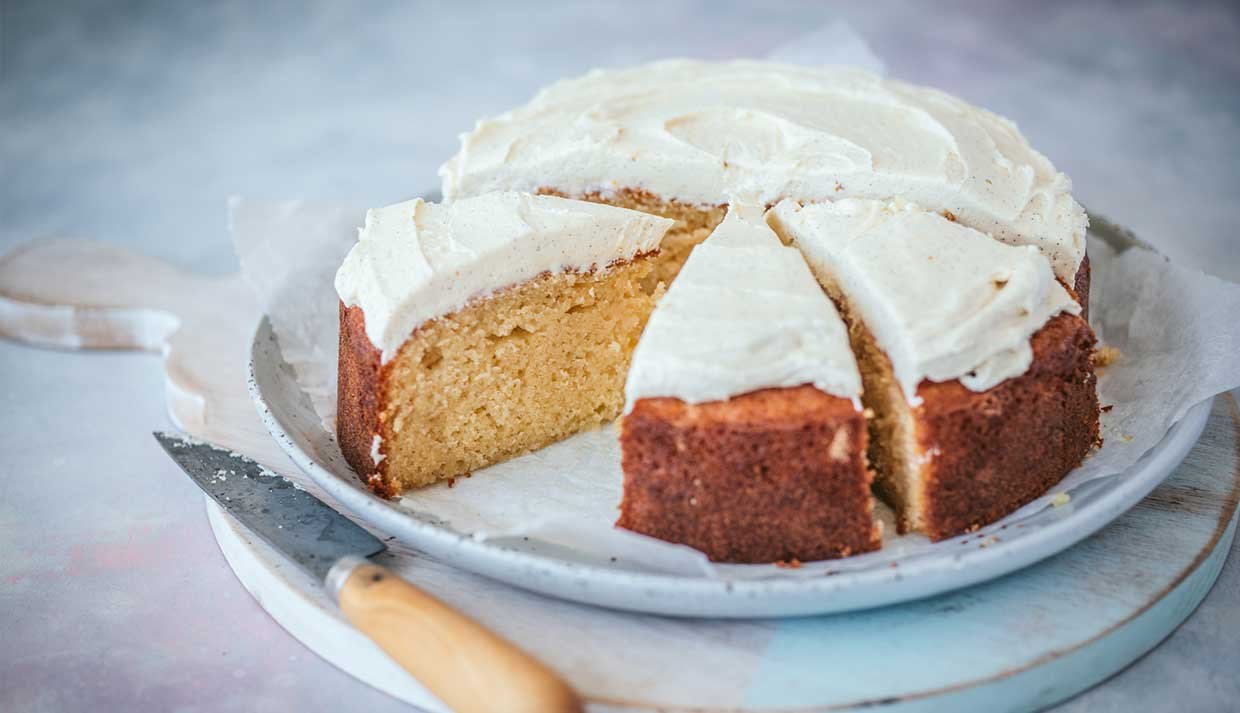
Butter Cake with Vanilla Bean Frosting remains one of my favorite desserts because it celebrates simple ingredients prepared with care. The cake is tender, buttery, and delicately sweet, while the frosting is infused with real vanilla bean for a flavor that is both rich and elegant. Whether I am baking for birthdays, anniversaries, family dinners, or afternoon gatherings with friends, this recipe always delivers a timeless dessert that everyone enjoys.
Why This Cake Never Goes Out of Style
Classic butter cake has earned its reputation through consistency rather than extravagance. Every ingredient contributes to a soft, rich crumb that feels satisfying without becoming heavy. Unlike cakes loaded with bold flavors, this recipe allows butter and vanilla to remain the stars, creating a dessert that is simple yet unforgettable.
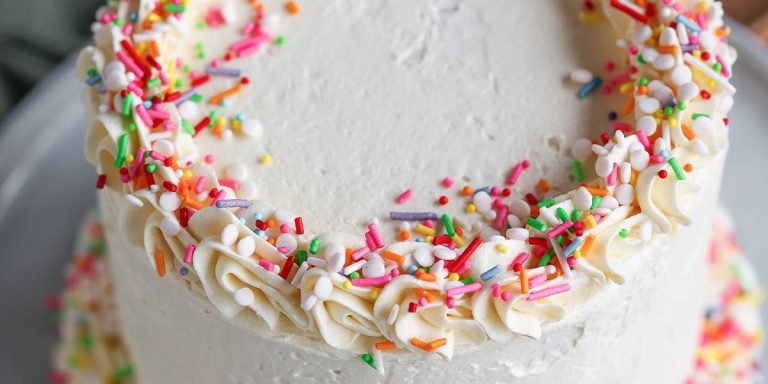
Real vanilla bean transforms the frosting into something truly special. Tiny black specks scattered throughout the buttercream are more than just beautiful to look at—they deliver an aromatic depth that bottled vanilla alone cannot fully achieve. The result is a frosting that complements the buttery cake instead of overpowering it.
I also appreciate how versatile this cake can be. It serves as a beautiful birthday cake, an elegant wedding shower dessert, or a comforting homemade treat alongside afternoon tea. Its understated flavor allows it to pair beautifully with fresh berries, fruit preserves, or even a drizzle of caramel.
Ingredients
For the Butter Cake
- 2½ cups (315g) all-purpose flour
- 2½ teaspoons baking powder
- ½ teaspoon salt
- 1 cup (227g) unsalted butter, softened
- 1¾ cups (350g) granulated sugar
- 4 large eggs, room temperature
- 2 teaspoons pure vanilla extract
- 1 cup (240ml) whole milk, room temperature
For the Vanilla Bean Frosting
- 1½ cups (340g) unsalted butter, softened
- 5 cups (600g) powdered sugar, sifted
- 1 vanilla bean, seeds scraped
- 2 teaspoons pure vanilla extract
- 3 to 4 tablespoons heavy cream
- Pinch of salt
Optional Garnishes
- Fresh strawberries
- White chocolate curls
- Edible flowers
- Fresh mint leaves
Kitchen Equipment
Before I begin mixing, I make sure every tool is ready to keep the baking process smooth and enjoyable. Two 8-inch round cake pans, parchment paper, mixing bowls, measuring cups, measuring spoons, a stand mixer or hand mixer, cooling racks, and an offset spatula are all I need to prepare this recipe.
Accurate measurements play an important role in achieving the cake’s delicate texture. I always spoon flour into the measuring cup before leveling it rather than scooping directly from the bag. This prevents adding excess flour that could produce a denser crumb.
Using room-temperature butter, eggs, and milk also helps create a smoother batter. The ingredients blend together effortlessly, resulting in an even texture that bakes consistently from edge to center.
Step-By-Step Instructions
Preheat the oven to 350°F (175°C). Grease two 8-inch round cake pans, line the bottoms with parchment paper, and lightly grease the parchment. This simple preparation ensures the cakes release cleanly after baking.
In a medium bowl, whisk together the flour, baking powder, and salt until evenly combined. Mixing the dry ingredients first distributes the baking powder throughout the flour, helping the cake rise evenly.
In a large mixing bowl, beat the softened butter and granulated sugar together for about four to five minutes until the mixture becomes pale, light, and fluffy. Properly creaming the butter creates tiny air pockets that contribute to the cake’s soft texture.
Add the eggs one at a time, beating well after each addition. Stir in the vanilla extract until fully incorporated. The batter should appear smooth and creamy before the remaining ingredients are added.
Gradually add the flour mixture, alternating with the milk. Begin and end with the flour mixture, mixing only until no dry streaks remain. Avoid overmixing because it can develop gluten and make the finished cake less tender.
Divide the batter evenly between the prepared pans and smooth the tops gently with a spatula. Bake for 28 to 32 minutes, or until a toothpick inserted into the center comes out clean or with only a few moist crumbs attached.
Allow the cakes to cool in the pans for about 10 minutes before transferring them to wire racks. Let them cool completely before frosting to prevent the buttercream from softening.
Making the Vanilla Bean Frosting
Beat the softened butter until it becomes pale and creamy. This creates the smooth base needed for light, fluffy buttercream that spreads easily across the cake.
Gradually add the powdered sugar while mixing on low speed. Stir in the scraped vanilla bean seeds, vanilla extract, salt, and heavy cream. Continue beating for several minutes until the frosting becomes silky and airy.
The tiny vanilla bean specks should be evenly distributed throughout the buttercream. If the frosting feels too thick, add a little more cream. If it becomes too soft, mix in a small amount of additional powdered sugar until the desired consistency returns.
Assembling the Cake
Place one cooled cake layer on a serving plate or cake stand. Spread an even layer of vanilla bean frosting over the surface, making sure it reaches close to the edges for consistent filling in every slice.
Carefully position the second cake layer on top. Apply a thin crumb coat across the entire cake and refrigerate it for about 20 minutes. This step seals in loose crumbs and creates a smooth foundation for the final layer of frosting.
Finish by spreading the remaining frosting over the top and sides. Smooth the surface with an offset spatula or create gentle decorative swirls for a more rustic appearance. Garnish with fresh berries, edible flowers, or white chocolate curls if desired.
Helpful Baking Tips
High-quality butter makes a noticeable difference in this recipe because it provides much of the cake’s flavor. Since butter is the primary ingredient, using fresh, flavorful butter rewards you with a richer finished cake.
Scrape the vanilla bean carefully to capture every fragrant seed. The pod can also be placed into a container of sugar afterward to create homemade vanilla sugar that is perfect for future baking.
Avoid opening the oven frequently during baking. Consistent oven temperature allows the cake to rise evenly and develop its tender crumb without sinking in the center.
Decorating Ideas
Butter Cake with Vanilla Bean Frosting looks elegant with smooth buttercream and minimal decoration. I often finish it with a few fresh strawberries arranged on top, allowing the simple beauty of the vanilla bean frosting to remain the focal point.
White chocolate curls create a refined finish while complementing the buttery vanilla flavors. Their delicate appearance adds elegance without introducing competing flavors.
Edible flowers or fresh mint leaves also make beautiful garnishes, especially during spring and summer celebrations. Their natural colors contrast wonderfully against the creamy white frosting and create a presentation that feels fresh and sophisticated.
Storage Instructions
Store the finished cake in an airtight cake container at room temperature for up to two days if the room is cool. For longer freshness, refrigerate the cake for up to five days while keeping it well covered.
Before serving, remove the cake from the refrigerator about 30 to 45 minutes in advance. Allowing it to warm slightly softens both the buttercream and the cake, bringing out the full richness of the butter and vanilla.
The unfrosted cake layers freeze exceptionally well. Wrap each layer tightly in plastic wrap followed by aluminum foil and freeze for up to three months. Thaw overnight in the refrigerator before frosting and serving.
Delicious Variations
Although I love this traditional recipe, a few simple additions create wonderful alternatives. A thin layer of raspberry preserves spread beneath the frosting introduces bright fruit flavor that pairs beautifully with the buttery cake and vanilla bean frosting.
Fresh lemon zest folded into the batter creates a subtle citrus note that lightens the richness without changing the classic character of the cake. It is especially refreshing during warmer months.
For an even more indulgent dessert, drizzle warm salted caramel over each slice just before serving. The caramel complements the buttery cake while adding another layer of richness that feels perfect for special occasions.
Final Thoughts
Butter Cake with Vanilla Bean Frosting proves that classic baking never goes out of style. Rich butter, fragrant vanilla, and a tender crumb come together to create a dessert that is both comforting and elegant. Every slice offers a perfect balance of sweetness, softness, and creamy frosting, making it suitable for celebrations of every kind.
I continue baking this recipe because it consistently delivers beautiful results without relying on complicated techniques or unusual ingredients. It is the kind of cake that becomes part of family traditions, appearing at birthdays, holidays, and memorable gatherings year after year. Once you make this Butter Cake with Vanilla Bean Frosting from scratch, it quickly earns a permanent place among the recipes you reach for whenever you want a dessert that is timeless, dependable, and truly delicious.