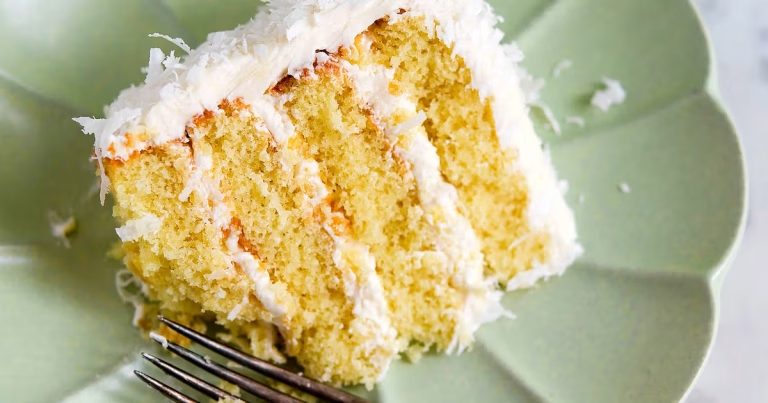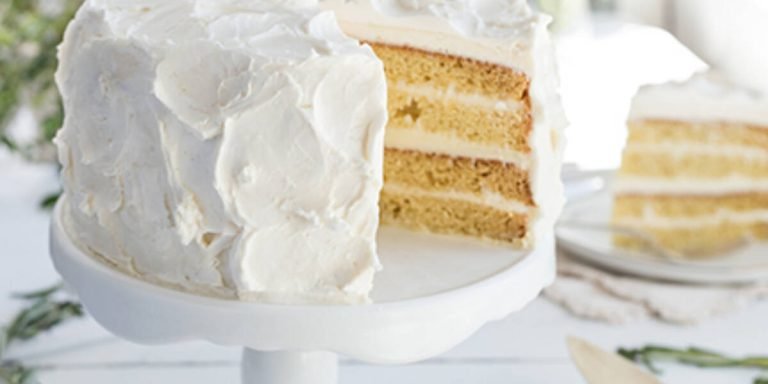
Golden Butter Sponge Cake
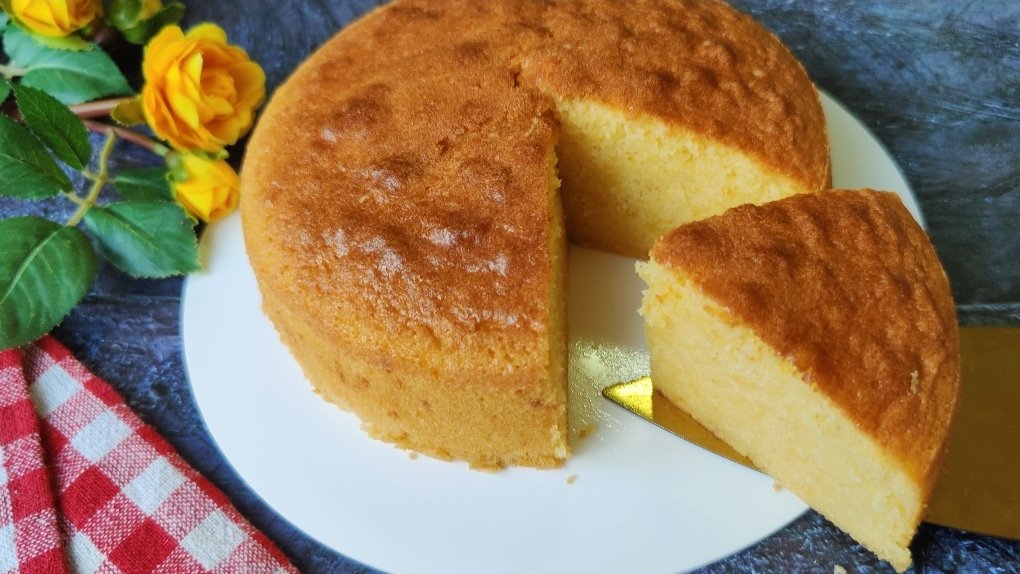
The scent of butter slowly browning in the oven has always been one of my favorite signs that something special is on the way. It fills the kitchen with a warm, comforting aroma that instantly brings people closer, often before the cake has even finished baking. Few desserts capture the charm of traditional home baking quite like a beautifully made sponge cake.
Golden Butter Sponge Cake is one of those timeless recipes that proves simple ingredients can produce extraordinary results. It has a tender crumb, a rich buttery flavor, and just enough sweetness to make it suitable for almost any occasion. Whether I serve it with fresh fruit, whipped cream, jam, or simply a light dusting of powdered sugar, this cake never feels out of place on the table.
Why This Cake Has Stood the Test of Time
Classic sponge cakes have remained popular because they rely on technique rather than elaborate ingredients. Properly creamed butter, carefully mixed batter, and accurate baking create a cake that is wonderfully light while still offering the satisfying richness that only butter can provide.
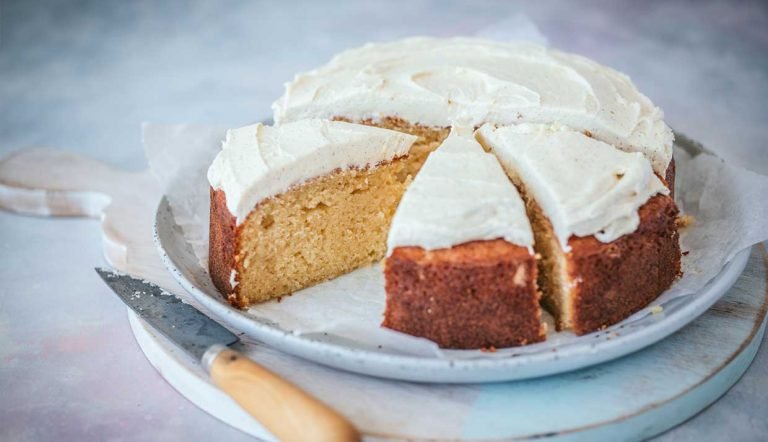
The golden color is another reason I enjoy this recipe so much. Whole eggs and quality butter produce a naturally warm hue that looks inviting before the first slice is served. The soft interior contrasts beautifully with the lightly golden crust, making every piece just as attractive as it is delicious.
One of the greatest strengths of this recipe is its versatility. It can become a birthday cake with layers of frosting, a tea cake served plain, or the foundation for elegant desserts topped with berries and cream. That flexibility is exactly why it has remained a favorite in my kitchen for years.
Ingredients
For the Cake
- 2 cups (250g) all-purpose flour
- 2 teaspoons baking powder
- ½ teaspoon salt
- 1 cup (227g) unsalted butter, softened
- 1½ cups (300g) granulated sugar
- 4 large eggs, room temperature
- 2 teaspoons pure vanilla extract
- ½ cup (120ml) whole milk, room temperature
Optional Toppings
- Powdered sugar
- Fresh strawberries
- Fresh raspberries
- Whipped cream
- Fruit preserves
Kitchen Equipment
Before mixing the batter, I like having everything prepared and within easy reach. Two 8-inch round cake pans, parchment paper, mixing bowls, measuring cups, measuring spoons, a stand mixer or hand mixer, a whisk, cooling racks, and a rubber spatula are all I need for this recipe.
Measuring the flour carefully is one of the easiest ways to ensure a tender sponge. I always spoon the flour into the measuring cup before leveling it instead of scooping directly from the bag. This prevents excess flour from making the cake dense.
Using room-temperature ingredients is another detail that makes a noticeable difference. Softened butter, eggs, and milk combine smoothly, creating a batter that bakes evenly and produces a fine, delicate crumb.
Step-By-Step Instructions
Preheat the oven to 350°F (175°C). Grease two 8-inch round cake pans, line the bottoms with parchment paper, and lightly grease the parchment. Properly preparing the pans helps the cakes release easily once baked.
In a medium bowl, whisk together the flour, baking powder, and salt until evenly combined. This distributes the baking powder throughout the flour and promotes an even rise during baking.
In a large mixing bowl, beat the softened butter and granulated sugar together for about four to five minutes until the mixture becomes pale and fluffy. This step incorporates air into the batter, giving the sponge its characteristic light texture.
Add the eggs one at a time, beating thoroughly after each addition. Stir in the vanilla extract until the batter becomes smooth and creamy.
Gradually add the flour mixture, alternating with the milk. Begin and finish with the dry ingredients, mixing only until everything is incorporated. Avoid overmixing because excessive stirring can develop gluten and produce a firmer cake.
Divide the batter evenly between the prepared pans and smooth the tops with a spatula. Bake for 25 to 30 minutes, or until a toothpick inserted into the center comes out clean or with only a few moist crumbs attached.
Allow the cakes to cool in the pans for about 10 minutes before transferring them to wire racks. Let them cool completely before serving or decorating.
Serving Suggestions
Golden Butter Sponge Cake is delicious on its own, but I often serve it with a generous spoonful of freshly whipped cream and seasonal berries. The fruit adds freshness while allowing the buttery flavor of the cake to remain the highlight of the dessert.
For afternoon tea, I sometimes dust the top lightly with powdered sugar and slice it into generous wedges. The simple presentation feels elegant while requiring almost no additional effort.
If I am preparing the cake for a celebration, I spread fruit preserves between the layers and finish with whipped cream or buttercream frosting. The sponge is sturdy enough to hold fillings while remaining wonderfully soft with every bite.
Helpful Baking Tips
Cream the butter and sugar thoroughly before adding the eggs. This is one of the most important steps because it creates tiny air pockets that help produce a light, fluffy sponge.
Avoid opening the oven door during the first 20 minutes of baking. Sudden temperature changes can cause the cake to sink before the structure has fully set.
Check for doneness a few minutes before the suggested baking time ends. Every oven bakes slightly differently, and removing the cake as soon as it is done helps preserve its soft, moist texture.
Decorating Ideas
Golden Butter Sponge Cake has a naturally beautiful appearance that requires very little decoration. A light dusting of powdered sugar highlights the golden surface while maintaining its classic simplicity.
Fresh strawberries, blueberries, raspberries, or sliced peaches arranged across the top create an elegant dessert suitable for spring and summer gatherings. Their vibrant colors contrast beautifully against the warm golden cake.
For birthdays or special celebrations, I sometimes frost the cake with vanilla buttercream and decorate it with piped borders and fresh fruit. The mild flavor of the sponge pairs wonderfully with nearly any frosting or filling.
Storage Instructions
Store the cooled cake in an airtight container at room temperature for up to three days. Its buttery crumb stays soft, especially when protected from excess air.
For longer storage, refrigerate the cake for up to five days. Allow slices to return to room temperature before serving so the butter regains its soft texture and full flavor.
The unfrosted cake layers freeze exceptionally well. Wrap each layer tightly in plastic wrap followed by aluminum foil and freeze for up to three months. Thaw overnight in the refrigerator before serving or decorating.
Delicious Variations
Although I enjoy this classic version most, a few simple additions can create wonderful variations. Fold fresh lemon zest into the batter for a bright citrus note that complements the buttery richness beautifully.
Finely chopped toasted almonds can also be added for subtle crunch and a delicate nutty flavor. They blend naturally into the sponge without overpowering its traditional character.
For a richer dessert, spread homemade raspberry or apricot preserves between the layers before adding whipped cream. The fruit introduces brightness while keeping the cake light enough for any occasion.
Final Thoughts
Golden Butter Sponge Cake continues to remind me why classic recipes endure for generations. Rich butter, fresh eggs, and a handful of pantry staples come together to create a cake that is tender, flavorful, and remarkably versatile. Whether served plain with coffee or transformed into an elegant layered dessert, it always delivers comforting homemade flavor.
I return to this recipe because it consistently produces dependable results while leaving plenty of room for creativity. It is equally suited to birthdays, afternoon tea, family dinners, and holiday celebrations, making it one of the most useful cakes any home baker can master. Once you bake this Golden Butter Sponge Cake from scratch, it quickly becomes a trusted favorite that finds its way onto the table whenever a simple, beautiful dessert is exactly what the occasion calls for.